
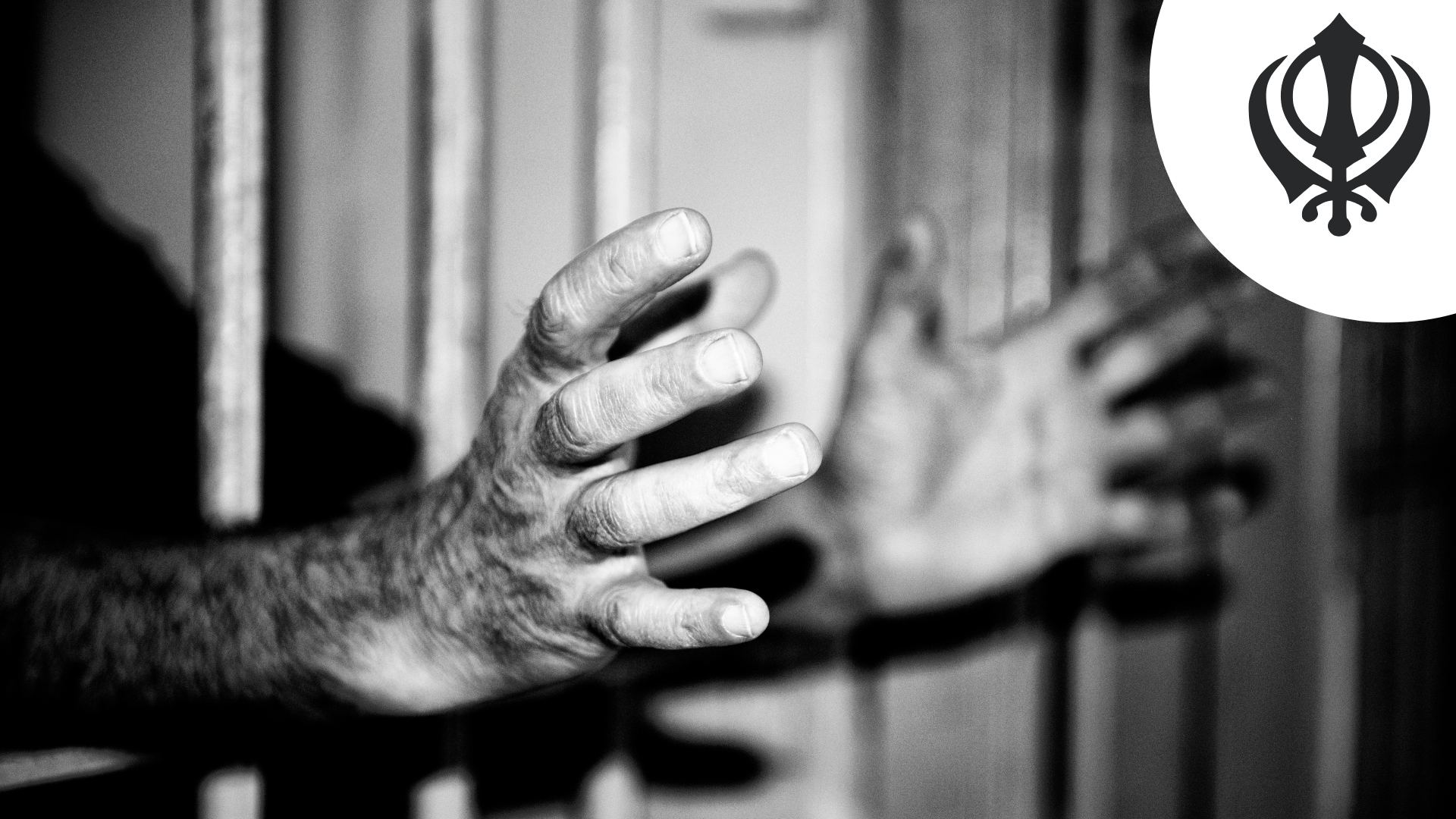
Sikhism and the Liberation of Innocent Prisoners
- Core Teachings
Sikhism is founded on justice (Nyay), compassion (Dayā), equality, and “Sarbat da Bhala” (welfare of all). In the Guru Granth Sahib it is written:
“Jo sabh ke hite kare so-ee sachaa dharam”
“The one who works for the welfare of all, that is true religion.”
According to this teaching, keeping an innocent person imprisoned is injustice, while securing his freedom is true righteousness and dharma.
- Bandi Chhor Divas (Day of Liberation)
One of the most famous historical events in Sikhism is associated with Guru Hargobind Ji (the sixth Guru).
When the emperor decided to release the Guru, Guru Ji refused to leave unless all the innocent prisoners were freed as well. The emperor then declared that only those prisoners who could hold onto the Guru’s robe would be released.
Guru Ji had a special robe made with 52 tassels, so that all the princes could hold on and be freed with him.
This event is commemorated as Bandi Chhor Divas (The Day of Liberation) and remains a powerful symbol of justice and freedom in Sikh history.
- Sikh Message
Guru Nanak Dev Ji always raised his voice against oppression and stood with the downtrodden.
Guru Gobind Singh Ji taught Sikhs to be “Sant-Sipahi” (saint-soldiers) — spiritual devotees who also fight against injustice.
Sikh history is full of examples where Sikhs sacrificed their lives to defend the weak, liberate the oppressed, and free the innocent.
In Sikhism, freeing innocent prisoners is not only an act of kindness but also a religious and moral duty. It represents resistance against tyranny and service to humanity. Bandi Chhor Divas stands as the strongest symbol of this principle.