
Importance of Trees in Vedas and Scriptures
In Hinduism, trees are not regarded as ordinary plants but as sacred beings.
The Atharva Veda refers to trees as mothers because they give life.
The Manu Smriti states:
“The one who plants a tree gains merit (punya) equal to having ten sons.”
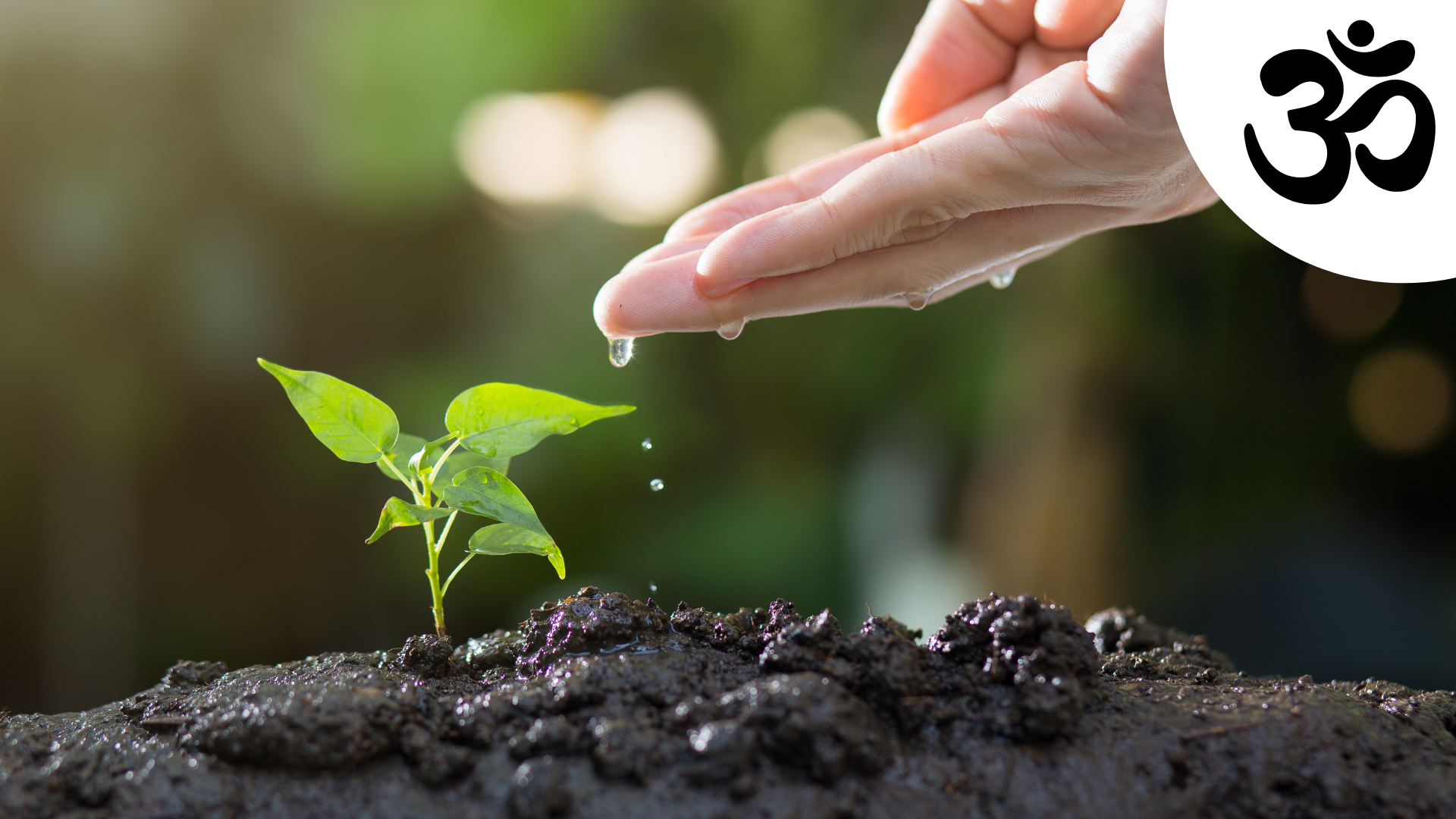
Planting a tree is therefore not only an act of environmental care but also an act of dharma (righteousness and virtue).
Sacred Trees and Their Significance
Several trees hold special spiritual and religious status in Hinduism:
-
Peepal (Sacred Fig): Considered the dwelling of deities and often worshipped.
-
Neem: A symbol of healing and protection against diseases.
-
Banyan Tree: A symbol of longevity, strength, and shelter.
-
Amla (Indian Gooseberry): Associated with health and vitality.
Planting and protecting these trees is considered a source of punya (divine merit).
Philosophical Foundation: Nature and Dharma
The core Hindu principles of Ahimsa (non-violence) and respect for nature extend to tree plantation.
Every living being is believed to contain a spark of the Paramatma (Supreme Soul).
Trees are revered as Vriksha Devata (Tree Deities).
The worship of Prithvi Mata (Mother Earth) symbolizes the duty to keep the land fertile and flourishing.
Universal Welfare (Sarvabhutahita)
Hinduism emphasizes Sarve Bhavantu Sukhinah — “May all beings be happy.”
Planting trees reflects this teaching because it benefits humans, animals, birds, and future generations.